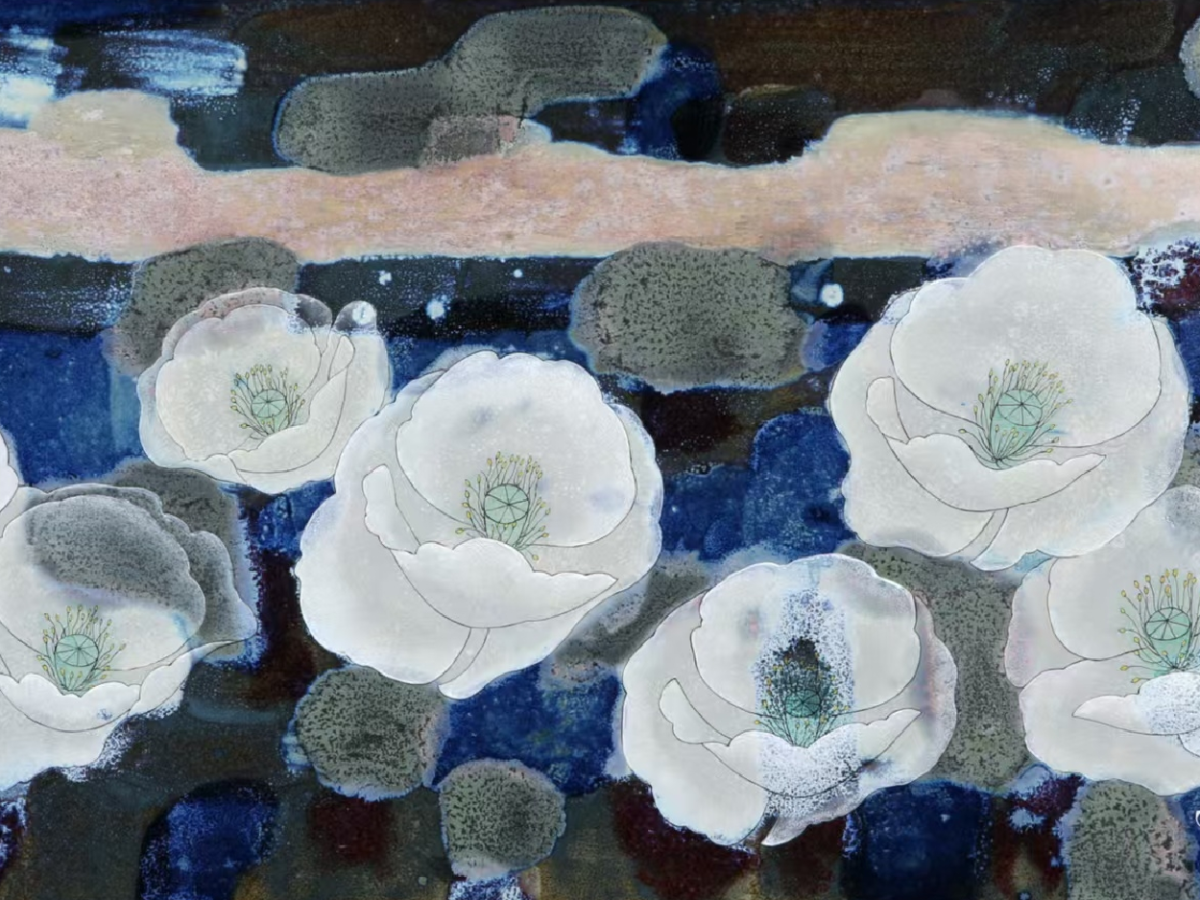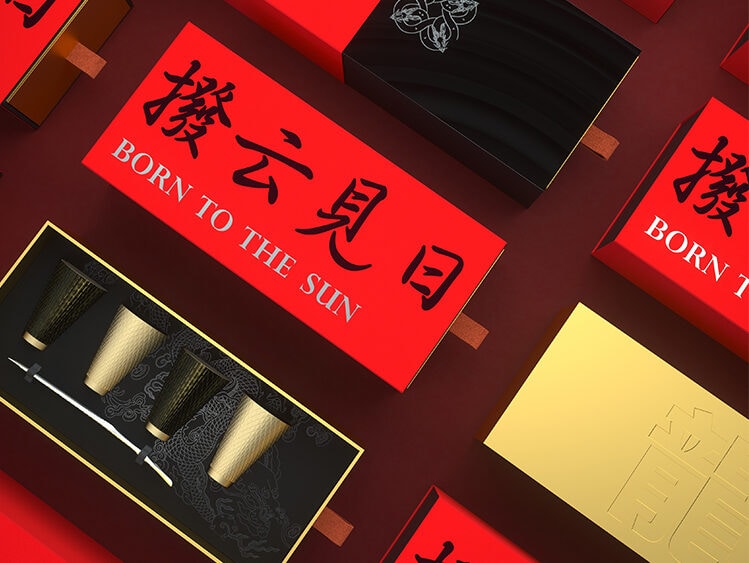
Clay work represents a extraordinary medium class with a long history, reaching back multiple of periods. From ancient containers to up-to-date showcases, the stuff offers unsurpassed possibilities for creative articulation. Creators work with distinct techniques – including fabricating, wheel throwing, and advanced firing processes – to shape humble soil into aesthetic three-dimensional productions. The durability of fired brick also contributes to its status as a truly consequential part of human legacy.
Analyzing Porcelain Sign Layouts and Processes
The area of ceramic tile design offers a vast array of resourceful possibilities. Craftsmen often explore a amalgamation of classic and current techniques to create visually stunning pieces. These can range from simple, engraved reliefs to complex, multi-layered configurations. Standard methods include pattern casting, artisanal shaping, finishing glaze – which can involve multiple methods like sub-glaze artwork, applying decoration after firing, and engraved motif where designs are unmasked by eroding a layer of glaze. More analysis into finishing techniques such as thermal treatment and lustreware can produce truly remarkable and bespoke brick shields.
- Shape Forming - Generating pieces using a model
- Artisanal Molding - Physically forming the loam
- Varnishing - Smearing the external area with a lustrous finish
- Sgraffito - Disclosing designs by abrading coatings
Immersive Experiences: Pottery Art Expositions
The advancing landscape of expression presents exciting fresh avenues for guests, and ceramic art installations are at the pinnacle of this wave. These aren't just static forms; they are fabricated to envelop the viewer in a sensory surrounding. Imagine stepping into a forest of towering, embellished ceramic trees, or navigating a labyrinth of fine ceramic vessels. Many artisans are now incorporating sound, illumination, and even scent to enhance the effect of their work. Imagine the power of a room filled with hundreds of thoughtfully ceramic objects, each telling a anecdote. Commonly, such installations investigate themes of ecosystem, memory, and humankind.
- Those installations blur the lines between craft and space.
- Engaging with a ceramic art installation can be a deeply personal journey.
- Artisans are advancing the limits of what is achievable with clay.
One Allure of the Clay Vessel: Use and Formation
The porcelain pot represents a remarkable union of functionality and expressive appeal. Historically, these receptacles served a rudimentary duty in maintaining liquids, but their advancement has transformed them into highly valued works of craftsmanship. Each piece showcases the talent of the artisan, demonstrating how design can be as pressing as use. The conscientious shaping, the unique glazes, and the entire presence of a beautifully-crafted receptacle can transform a space, offering both charm and a reserved reminder of the artisan’s hand.
Present-day Brick Design : Extending Edges
Up-to-date ceramic model represents a fascinating departure from established practices. Craftsmen are energetically exploring with innovative approaches, overlapping the lines between craft and additional artistic disciplines. From expansive installations to elaborate miniature pieces, these works scrutinize themes of character while parallelly revolutionizing the nature of what brick can realize. The result is a energetic sphere of artistic representation.
Earthenware Badge: Preserving Annals in Terracotta
Terracotta plaques offer a uncommon method for documenting significant events and figures. Unlike traditional metal or stone markers, these lasting pieces of design are formed from cooked clay, creating a physical link to the former times. Generally, they exhibit intricate carvings or precisely drawn imagery, narrating stories that might otherwise be disregarded. One technique, stemming from ancient folk, provides a visually ceramic mural appealing and unfading way to remember our collective record.
- Such can be positioned in collective spaces.
- A large number of are now considered historical relics.
Earthenware Art Showcases: Shifting Spaces
Porcelain art installations are developing a impactful medium for sculptors to redefine public and private settings. These immersive designs frequently involve monumental clay objects that draw viewers, influencing their perception of the designed environment. By employing diverse approaches like coil construction and complex firing methods, ceramic artists assemble truly extraordinary experiences, erasing the edges between design and space. The upshot is often a powerful metamorphosis that enriches the visual quality of the area and initiates interaction.
Origin Wheel to Phenomenon: The Skill of the Ceramic Holder
The journey of a pottery vessel from a simple lump of loam to a elegant work of production is a testament to human talent. Historically, the process commences with the potter’s turntable, where the knowledgeable artisan crafts the circling soil into a cylindrical form. This preliminary stage demands exactness and a disciplined eye, followed by a delicate curing period. Once raw-fired, the urn is ready for finishing, which may include illustrating intricate patterns, sculpting detailed illustrations, or applying a range of layers. The final heating process then converts the component into a durable and stunning container, a tangible demonstration of the creator's imagination.
Carving with Earthenware: A Manual to Stoneware Project
Surveying the world of clay expression begins with recognizing the tenets of sculpting with earthenware. This particular technique entails meticulously applying and carving matter to fashion three-dimensional models. If you're a neophyte or a experienced maker, experimenting with assorted sorts of earthenware – such as brick – will promote you identify your personal manner. At last, stoneware carving is a fruitful path that joins professional proficiency with innovative manifestation.