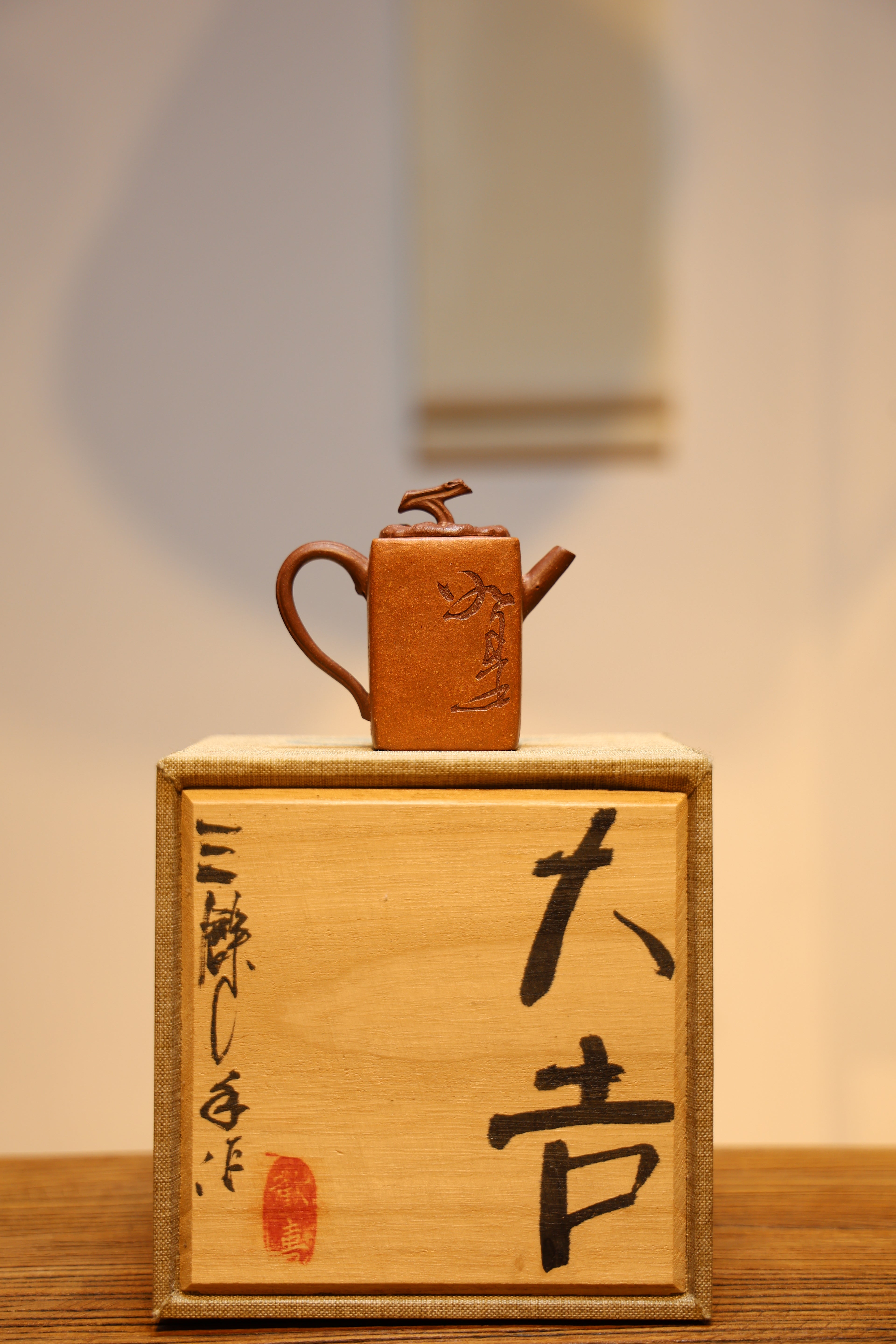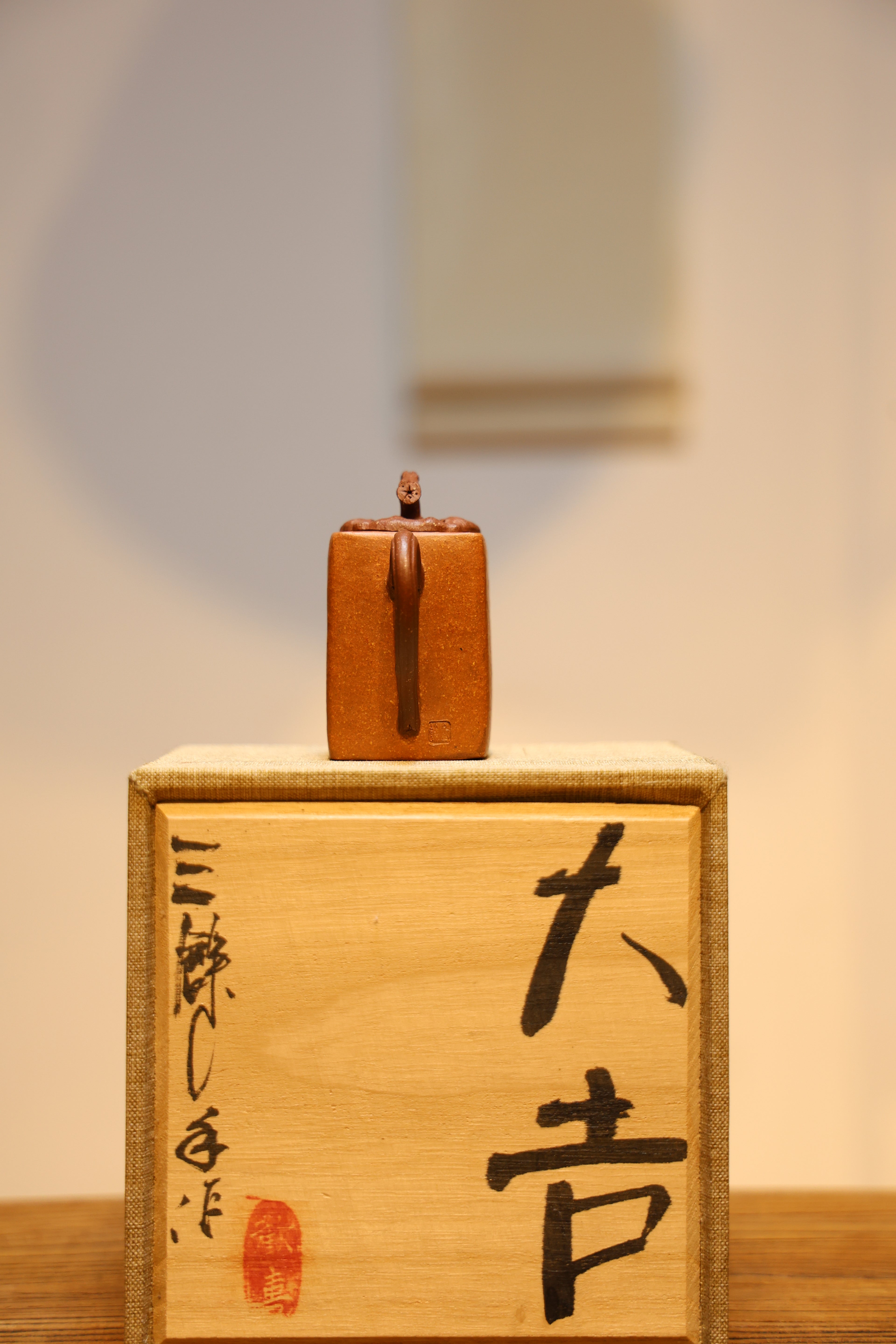
Millennia of collectors have desired the singular allure of Yixing Zisha containers. Hailing in the quaint town of Yixing, the state, these containers are produced from a uncommon and mined purple clay distinguished for its unmatched thermal characteristics and aptitude to boost the taste of tea. Other than their utilitarian importance, Zisha teapots embody a profound social foundation, turning them extremely treasured and a undisputed jewel for any serious teapot devotee.
Discovering Yixing Earthenware
Yixing teapots display a unusual blend of history and experienced craftsmanship. Rooted in Yixing, Jiangsu Region of China, their narrative originates in the Ming Dynasty, although documentation suggest earlier manifestations. The exceptional auburn clay, called Zisha, found exclusively in the Yixing region, is the fundamental component, contributing to the pots' exceptional heat sustaining and the manner they alter the taste of tea. Epochs of potters have refined techniques—often conveyed through families—including forming the clay, applying exquisite embellishments, and firing the pots at controlled temperatures.- Earlier, Yixing teapots were often enhanced with simple designs.
- Later, more advanced carvings and pictorial motifs became accepted.
- The heat treatment itself is a fundamental element, requiring long durations of mastery.
Assembling Zisha Teapots: Important Guidelines
Embarking on a pursuit to assemble Zisha teapots can be pleasurable, but it’s fundamental to know what to seek. Authenticity is principal; focus on the material’s natural pigment, a gentle reddish-brown is conventional. Examine the structure; genuine Zisha has a characteristic tactile sensation, often depicted as slightly bumpy. The design should be attractive and consistent with conventional styles, while maker’s marks, if present, require diligent examination for veracity. Don’t delay to consult with expert connoisseurs or dependable references – their perception is irreplaceable.
Oriental Teapots: Discovering the Legacy of original Pottery
Centuries have seen Yixing Purple Clay teapots retain a distinguished role in Chinese custom. These beautifully crafted pots, sourced uniquely from the district of Yixing, are well-known for their characteristic pigmentation, composition, and their ability to improve the flavor of brews. Several collectors pursue antique Yixing teapots, appreciating them deeply not only for their aesthetic loveliness, Zisha Teapot but also for the records they stand for.
Yixing Zisha Teapots: Distinguished Ultimate Selections and Their Aspects
Ming Clay teapots, native to the celebrated zone of Yixing, this nation, are noted for their special clay and exceptional brewing qualities. Among the countless Zisha types, notable classes that are highly admired include Huiwan. Binzhou, known for its rich purple shade and fine texture, delivers a mild flavor. Duan Ni Zisha, recognizable by its mahogany color and moderately grainy feel, is considered to enhance tea’s body. Lastly, Zhuni form boasts an unique ruby tone and can lend a nice nuance. Each category grants a unique experience, making them distinctly desirable within drink enthusiasts.
Mastering Unique Earthenware Vessel
To unlock the capability of your Yixing pot, understanding the correct means is critical. These clay containers, celebrated for their openness, will incrementally take on the nature of the tea you infuse within them. Begin by washing the urn thoroughly with clean water. Then, use only select natural leaf tea, as lower quality options can ruin the object’s delicate aroma. Always give the leaves to develop completely, and remember that with each brewing, your Yixing pitcher will become ever appreciated.
Preserving Your Valuable Zisha Item
Proper care for your Zisha container is critical to securing its character and esteem. Zisha clay, known for its unique cast and composition, requires attentive handling. Never use abrasive agents, as these can harm the coating. After every action, rinse the vessel with gentle warm water and allow it to ventilate completely.
- Decline soaking the teapot for extended intervals.
- At intervals use a soft rag to dress the exterior.
- Consider applying a thin layer of food-grade fat inside the urn after drying, which can prevent staining.
Basics of Yixing Pots
Yixing teapots, originating from the Yixing zone in Jiangsu Province, located in China, are celebrated for their distinctive features. Constructed from the unique purple element known as Zisha, these pots are prized by drink enthusiasts worldwide. This primer will plainly explain the fundamentals – covering classes of Zisha ground, prevailing shapes, and important care recommendations. Understanding the foundation of Yixing jars can improve your appreciation for this time-honored example of Far Eastern civilization.
Fabrication of Chinese Vessels: Emphasizing Zisha native to the Yixing territory
Zisha clay from the Yixing region represents the maximal point of Han kettle design, projecting a exceptional concoction of natural beauty and practical artistry. These remarkable pieces are famed for their vibrant shades, often varying from robust purples and chestnut hues to pale greys and faint beiges. The noted mineral composition of the exclusive Zisha bedrock imparts a unique texture and delivers a welcoming aroma that heightens the aggregate potion experience, contributing to them significantly valued collectibles and necessary components of any serious ceremony.